
Category: Low-cost home services and local contractors

  • Cheap handyman services near me: what to expect and how to compare

    Cheap handyman services near me: what to expect and how to compare

    Last updated: October 26, 2026

    Key Takeaways

    • Cheap handyman services near me are usually best for small repair jobs that fit one visit and do not need a permit.
    • A handyman quote often covers labor, basic fasteners, and a service call, but not specialty materials, permits, or hidden rot.
    • The lowest quote works only if the repair is finished cleanly and completely in one visit.
    • A handyman is not the right choice when the work needs a licensed trade, structural repair, or a permit.

    Cheap handyman services near me usually means one thing: you need a small repair done fast, at a fair price, without paying a full specialty-trade minimum. Quick answer: for cheap handyman services near me, expect a 1- to 4-hour repair window for jobs like drywall patching, faucet replacement, door adjustments, caulking, fence fixes, and trim repairs. The right call is a small, defined job; the wrong call is anything that needs a permit, a licensed trade in your state, or a major rewrite of the work.

    What cheap handyman services usually cover
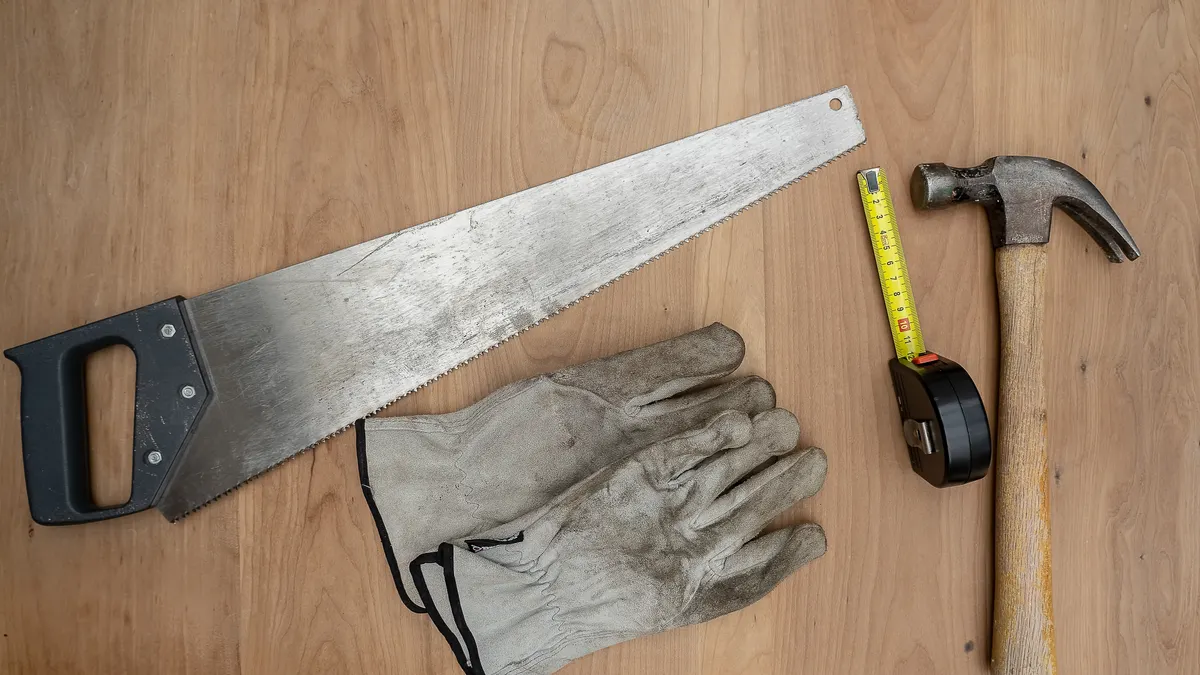
    Hand saw, hammer, tape measure, and gloves on wood

    Cheap handyman services near me are best for small, well-defined home repair jobs that do not require a full crew or a permit. A local handyman can usually handle items like cabinet hinge replacement, shelving, weatherstripping, minor drywall repair, baseboard touch-ups, toilet seat swaps, gutter cleaning, squeaky hinges, and patching nail holes.

    That price advantage comes from scope. A handyman is often selling time in 1-hour, 2-hour, or half-day blocks, not a full remodel. If a task can be finished with a screwdriver, a drill, a utility knife, a tube of caulk, and one or two parts, it is in the sweet spot.

    A cheap quote is less likely when the job is vague. ā€œFix the bathroomā€ is expensive because the contractor has to guess whether it means re-caulking, a leaking shutoff valve, loose tile, or a fan replacement. ā€œReplace two door handles and patch one 2-inch drywall holeā€ is easy to price.

    In Phoenix, Mesa, and Chandler, dust and sun damage show up in weatherstripping, door seals, and exterior caulk more often than in damp climates. In older parts of central Tucson, cracked plaster and settling cracks are common repair calls. Those local conditions matter because they change how long the repair lasts and how much prep work is needed.

    What does a handyman quote usually include?

    A handyman quote usually includes labor, basic fasteners, and a service call, but not specialty materials, permits, or hidden rot behind the wall. For small jobs, the quote may be hourly, flat-rate, or a minimum visit charge.

    For a practical comparison of local handyman quotes, this table shows common price structures rather than a guaranteed price.

    Job type What it usually involves Typical quote style What can raise the price
    Drywall patch, 1 small hole Patch, mud, sand, touch-up prep Flat rate or 1–2 hours Texture match, paint blending
    Faucet swap Remove old faucet, install new one Flat rate or hourly Corroded shutoffs, supply-line replacement
    Door repair Strike plate, latch, hinge, planing Hourly Swollen jambs, damaged frame
    Caulking Bath, kitchen, window seams Hourly or per linear foot Old caulk removal, mold cleanup
    TV mounting Bracket install, stud locating Flat rate Masonry wall, poor backing
    Fence or gate fix Latch, hinge, small board replacement Hourly Rot, warped frame, material replacement

    In Maricopa County, the cheapest quote is not always the cheapest final bill. A very low hourly rate can be offset by a minimum charge, a trip fee, or a second visit for materials. Ask whether the quote includes pickup time for parts and whether the handyman will bill in 15-minute, 30-minute, or 1-hour increments.

    If the job is in an HOA community in Gilbert, Scottsdale, or parts of Tempe, exterior work may also need approval for visible changes like paint color, fence boards, or door hardware finish. That is not a handyman problem by itself, but it can slow the schedule.

    How do I compare cheap handyman services near me?
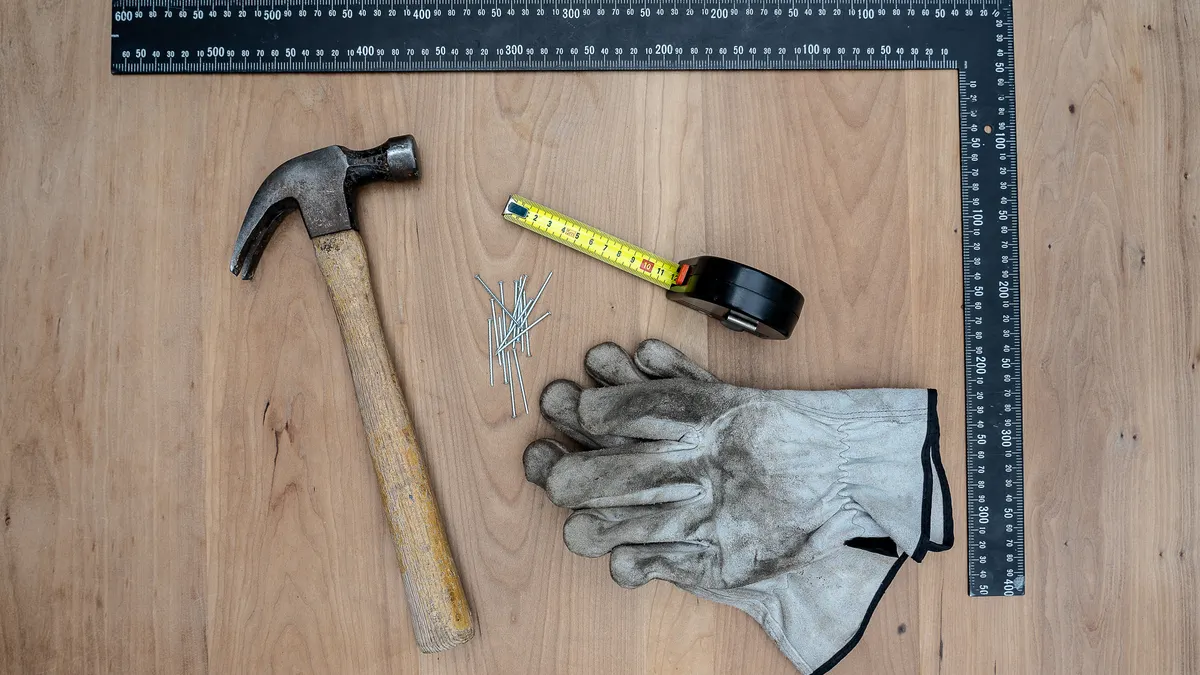
    Hammer, tape measure, gloves, and framing square on wood

    Compare cheap handyman services near me by checking three things first: the scope they understand, the pricing method they use, and whether they are allowed to do the work in your area. The lowest quote is only a good deal if the contractor can finish the job cleanly in one visit.

    Ask for the quote in writing, even if it is a text message. A useful quote names the task, the materials included, the labor estimate, and the conditions that would change the price. ā€œInstall customer-provided ceiling fanā€ is clearer than ā€œelectrical work,ā€ and ā€œpatch 1 drywall hole up to 6 inchesā€ is better than ā€œwall repair.ā€

    A local contractor who works around Mesa, Queen Creek, and Apache Junction should be able to say whether they serve your neighborhood, whether they come to apartments, and whether they handle gated-community access. If a handyman will not say where they work, that usually means you are looking at a broad lead-gen listing rather than a real service-area business. For more on licensing and consumer checks, see the Arizona Registrar of Contractors and the Arizona Attorney General’s consumer resources.

    Two authoritative places to check rules are the Arizona Registrar of Contractors and the Arizona Attorney General’s consumer resources. The Registrar of Contractors site explains when licensing matters for construction work, and the Attorney General’s office publishes consumer complaint guidance. If a handyman claims a license, you should verify it with the state rather than taking the number at face value.

    The most useful comparison is not just price. It is price plus responsiveness, cleanup, and whether the person can complete the job without turning a simple repair into a second appointment. For general home-maintenance guidance, the U.S. Consumer Product Safety Commission and Energy Star also publish repair and efficiency advice that can help you judge scope.

    When is a handyman the wrong choice?

    A handyman is the wrong choice when the job crosses into regulated trade work, structural repair, or a permit-dependent project. That includes many electrical changes, major plumbing alterations, load-bearing changes, roof work, and anything that exposes unsafe wiring, gas lines, or active leaks.

    In Arizona, permit rules can vary by city and by job size, so the answer is not the same in Phoenix, Glendale, Scottsdale, and Tucson. A handyman may be able to replace a faucet, but moving supply lines or altering drain lines can push the job into plumbing work that belongs with a licensed contractor. The same is true for lights, breakers, and panels: swapping a fixture is one thing; rewiring a circuit is another.

    This is also the point where cheap becomes risky. If a quote is very low for a job that clearly needs licensed work, the contractor may be planning to do less than needed or to ignore the rule entirely. That can lead to failed inspections, repeat labor, or insurance trouble later. For permit questions, the City of Phoenix and City of Tucson permit pages are useful starting points.

    A good rule in Maricopa County is simple: if the repair will be covered by drywall, tied to the main electrical system, or affect the building envelope in a way that could cause water intrusion, slow down and verify whether a licensed contractor is required. If the job involves only a small cosmetic fix, a handyman is often the faster and cheaper option.

    How long should the job take?

    A small handyman job usually takes 30 minutes to 4 hours, and the scheduling delay is often longer than the repair itself. That is why response time matters so much on local search.

    A loose cabinet hinge might take 10 minutes. Replacing a bathroom faucet can take 1 to 2 hours if the shutoffs work. Drywall patching often takes longer because compound needs drying time between coats, so a ā€œsame-dayā€ quote may still require a return trip. Door adjustments in older homes around central Phoenix or Tucson can also take extra time if the frame has shifted or the slab has swollen from moisture and heat cycling.

    The fastest jobs are the ones with one obvious problem and parts on hand. The slowest jobs are the ones where the handyman has to diagnose as they go, then leave for materials. If you need a quick turnaround, send photos of the problem, a ruler or tape measure in the frame, and a clear note about access: condo, second floor, gate code, or parking restrictions. If the problem may involve hidden damage or an unsafe condition, consult a professional before booking the work.

    Cheap handyman services are best for daytime repair windows, not for jobs that must be done at 7 p.m. on a Saturday. Same-day service can happen, but you should expect a premium or a tighter scope.

    Red flags in a low quote

    A low quote is a problem when it hides scope, leaves out cleanup, or avoids written terms. The first red flag is a price that sounds much lower than every other local contractor without any explanation of what is excluded.

    Watch for these warning signs:

    • No written scope for the exact repair
    • Refusal to say whether materials are included
    • Vague language like ā€œstarting atā€ with no ceiling
    • Pressure to pay cash only before the job starts
    • No clear service area
    • No answer on whether the work needs a licensed contractor

    Another warning sign is a quote that ignores local conditions. In the Sonoran Desert, sun, dust, and temperature swings can crack caulk, loosen trim, and weaken cheap exterior materials faster than a handyman in a milder climate might expect. If the contractor is using one generic answer for every job, the repair may not hold up.

    A fair cheap quote should still leave room for honesty. If the handyman says they cannot know the final cost until they see the rot behind a board or the condition of a valve, that is better than pretending the whole job is fixed before they arrive.

    What to ask before you book

    Before you book cheap handyman services near me, ask five short questions: what exactly is included, how do you charge, how soon can you come, what areas do you serve, and what would make the price change. Those five questions usually expose the difference between a real local contractor and a lead form.

    A useful script is simple:

    • ā€œIs this a flat rate or hourly?ā€
    • ā€œDo you have a minimum charge?ā€
    • ā€œWill you bring materials, or should I buy them first?ā€
    • ā€œDo you serve my neighborhood and nearby towns?ā€
    • ā€œIf you see hidden damage, how do you handle it?ā€

    If you are in Scottsdale, Tempe, Chandler, or nearby suburbs, ask about travel time because traffic and same-day routing can change availability. If you are outside the core metro area, such as Apache Junction or farther west toward Goodyear, ask whether the handyman charges a larger trip fee.

    If you need a broader home-maintenance plan after the first repair, the hub on low-cost home services and local contractors can help you compare which jobs belong with a handyman and which need a trade specialist. For cheap handyman services near me, the goal is to get the right repair done without paying for more than you need.

    The verdict on cheap handyman services

    Cheap handyman services near me are worth calling when the job is small, clearly defined, and local enough to fit into one visit. They are not a bargain when the quote is fuzzy, the work is regulated, or the repair hides bigger damage behind the surface.

    The best local handyman for a cheap repair is usually the one who gives a plain written quote, names the service area, understands Arizona conditions, and says no when the job should go to a licensed contractor. That answer protects your wallet and your house at the same time.

    If the next step is a quick comparison, start with two or three local quotes, compare scope line by line, and choose the one that is clearest—not just the one that is lowest.

    Drafted with AI; not yet reviewed by a person.

  • Budget lawn care services: what to ask before booking

    Budget lawn care services: what to ask before booking

    Last updated: October 26, 2026

    Key Takeaways

    • Budget lawn care services usually mean recurring maintenance, not a full property makeover.
    • Visit frequency can matter as much as the monthly rate, because 7-day and 14-day mowing are different services.
    • A usable quote should split routine work from one-time charges and list every likely fee.
    • Compare lawn care quotes by matching the same work, frequency, and property conditions line by line.

    Budget lawn care services for homeowners: what to ask before booking can keep a yard presentable without paying for a full landscape package, but only if the plan matches the work you actually need. In short: ask what is included, how often crews come, what gets charged as extra, and whether the lawn care company is built for routine mowing service or only one-off yard cleanup jobs.

    What you are really buying when you book budget lawn care services

    Push lawn mower on a green lawn

    Budget lawn care services are usually a recurring maintenance plan, not a full property makeover. That means the value lives in small, regular tasks such as mowing, edging, light fertilizing, and seasonal cleanup, not in planting beds, hardscape work, or major repairs. If a quote sounds cheap but leaves those basics vague, the price can rise fast once the first visit starts.

    The first question to ask is simple: ā€œWhat is included on a normal visit?ā€ A clear answer should name the mowing height, edging along driveways and sidewalks, clipping cleanup, and any fertilizing schedule that belongs to the plan. If the company says ā€œstandard serviceā€ but cannot define it in plain language, the plan is probably designed to be adjusted by add-ons later.

    A second question is about the property size and the route the crew uses. Some lawn care companies price by lot size, some by front-yard and back-yard square footage, and some by visit length. A budget plan that works on a 4,000-square-foot lot can feel overpriced on a narrow city yard if the company uses a minimum service charge. The reverse happens too: a larger corner lot may look affordable until edging and cleanup are billed separately.

    This is the point where the phrase ā€œcheap lawn careā€ can mislead. A lower monthly number is not a bargain if the lawn still looks shaggy because the crew only mows every 14 days in peak growing season. For many homeowners, the better question is not ā€œWhat is the lowest price?ā€ but ā€œWhat keeps the yard neat at the fewest visits?ā€

    Ask about service frequency before you compare price

    Service frequency matters as much as the monthly rate because a mower every 7 days and a mower every 14 days are not the same service. Fast-growing grass in spring can turn a low-frequency plan into a rough-looking yard, while a slower-growing lawn in hotter weather may not need weekly cuts. If the company will not say how it changes schedules by season, it is hard to judge the real cost.

    Ask these questions before booking:

    1. How many visits are included each month?
      A useful answer names a number, such as 2, 3, or 4 visits, instead of ā€œas needed.ā€

    2. Do you change frequency in spring and fall?
      You want to know whether the plan shifts from weekly to biweekly, or the other way around, as growth changes.

    3. What happens if rain delays a visit?
      Good companies have a policy for wet grass, missed cuts, and rescheduling without charging a surprise trip fee.

    4. Can I pause service during the slow season?
      This matters for budget control if the lawn barely grows for 6 to 8 weeks.

    A cheap plan with the wrong frequency often costs more in the end because the lawn looks overgrown, and homeowners end up paying for an extra one-time cut. It can also cost you in appearance: one missed week in peak growth can turn a tidy lawn into a rushed cleanup.

    The best budget fit is often the one that matches the grass growth pattern on your property, not the cheapest posted price. If the company offers only one schedule, ask whether it is designed for cool-season turf, warm-season turf, or both. You do not need to know the botanical details to ask that question. You do need the company to explain why 7-day service or 10-day service makes sense for your yard.

    What should a budget lawn care quote include?

    Worker trimming grass with a string trimmer

    A usable quote should separate recurring work from one-time work and name every charge that might appear after the first visit. The quote should say whether mowing, edging, and basic yard cleanup are included, and whether fertilizing is part of the plan or billed as a seasonal add-on. If the quote only lists a low monthly total, ask for the service line items in writing.

    The most common line items to check are:

    • mowing of all turf areas
    • edging along hard surfaces
    • blowing or sweeping clippings off walks and drives
    • fertilizing frequency, if offered
    • seasonal cleanup for leaves and debris
    • travel or ā€œtripā€ charges
    • minimum visit charges
    • extra fees for tall grass or heavy overgrowth

    One useful way to compare lawn care services is to ask for the exact trigger for a surcharge. For example, does the company count grass above a certain height as an overgrowth job? Does it add a fee if the lawn has not been cut in 3 weeks? Does yard cleanup include leaf removal only, or also sticks and fallen branches? Those details matter more than a glossy brochure.

    If the company says fertilizing is included, ask what type and how often. A budget plan may use a simple seasonal program rather than a custom soil-based schedule. That is fine for many homeowners who want the yard to stay presentable, but it is not the same as a tailored turf program. If the lawn is already thin, patchy, or full of weeds, a bare-bones plan may keep it tidy without making it healthier.

    If the yard is weak or thin, ask whether the plan includes only a basic treatment or a fuller maintenance schedule, and consider checking with a local lawn professional or an extension source before you assume a low-cost plan will improve turf health. For broader guidance on lawn care basics, see the University of Maryland Extension lawn care resources and USDA lawn and turf information.

    This is where a lot of homeowners get burned: the quote looks low because it covers mowing only, then edging, cleanup, and fertilizer each become separate charges. A $30-looking service can become a $60-looking habit once the extras are added. Ask for the total after one full month of routine service, not just the headline number.

    How do I compare lawn care quotes without getting tricked?

    You compare lawn care quotes by matching the same work, the same frequency, and the same property conditions line by line. A true comparison only works when each lawn care company is pricing the same size yard, the same number of visits, and the same tasks. Otherwise you are comparing different services with different limits.

    Use this order:

    1. Write down your lawn basics first. Note the lot size, whether the yard is flat or sloped, and whether you need front-only or full-property service. A quote for a 1/8-acre city lot is not interchangeable with one for a larger corner property. See the budget home services guide for a broader comparison method.
    2. Ask for the visit cadence in writing. Get the number of visits per month, such as 2, 3, or 4, and ask whether that changes between April and October. This turns a vague ā€œweekly serviceā€ pitch into something measurable. The home services overview can help you compare service types.
    3. Separate the core tasks from add-ons. Mark which quote includes mowing, edging, fertilizing, and seasonal cleanup. If one estimate includes edging and another does not, the lower number may be an illusion.
    4. Check the surcharge list. Ask about tall grass, gate access, leaf volume, steep slopes, and missed-visit fees. A budget plan should be predictable, not a small print trap.
    5. Compare the total for 30 days, not the first visit. One-off yard cleanup can make the first invoice look inflated, while recurring mowing and edging define the real monthly cost.
    6. Choose the plan that keeps the lawn acceptable with the fewest surprises. The cheapest quote is not always the best value if the crew bills extra for every ordinary part of the job.

    A practical comparison also means judging what you do not need. If your main goal is to keep the lawn presentable, you may not need premium fertilizing every month or a heavy cleanup package twice a season. A budget plan should focus on the visible basics: a cut lawn, clean edges, and the occasional seasonal cleanup that keeps the property from slipping.

    The most honest quote is not always the lowest. It is the one that tells you what happens if the grass grows fast, if leaves pile up, or if the first cut is rough.

    Which services are worth paying for on a budget?

    The most budget-friendly lawn care plans usually prioritize mowing and edging, then add yard cleanup only when needed. That combination keeps the property tidy without paying for extras that do not change the curb view much from week to week. For many homeowners, that is the right trade-off.

    Mowing is the base service because it controls the most visible part of the yard. If the grass is kept at a regular height, the whole property looks more maintained. Edging matters next because a sharp line along sidewalks, driveways, and curbs does more for appearance than most people expect. A mow without edging can still look unfinished.

    Fertilizing is the one service to question carefully on a tight budget. A simple fertilizing schedule can support lawn health, but it does not always belong in a bare-minimum plan if the immediate goal is appearance. If the lawn is already established and only needs to stay neat, fertilizing may be a good seasonal add-on rather than a monthly default. If the yard is weak or thin, ask whether the plan includes only a basic treatment or a fuller maintenance schedule.

    Seasonal cleanup is worth paying for when leaves, sticks, and dead growth start to affect mowing quality. If a lawn care company offers cleanup every month, that may be more than you need. If it only offers cleanup once or twice a year, ask whether you can add a single visit in fall or spring instead of locking into a higher monthly rate.

    This is also where budget services can fall short. They may keep a yard acceptable, but not polished. If you want detailed bed care, plant shaping, or a property-wide redesign, this is not the right service tier. That work belongs to landscaping services, not a low-cost mowing plan. For help sorting service categories, see the landscaping services guide.

    Red flags that usually cost more later

    The biggest red flag is vague pricing, because vague pricing is where the surprises live. If a lawn care company refuses to say what a normal 30-day bill looks like, the quote is incomplete. Another warning sign is a service list that says ā€œall necessary maintenanceā€ without naming mowing, edging, or cleanup. That kind of wording is broad enough to hide a lot of extra billing.

    Be careful with these signs:

    • no written description of mowing height or visit frequency
    • ā€œstarting atā€ pricing with no explanation of common add-ons
    • a quote that excludes edging but does not say so plainly
    • no policy for rain delays or missed appointments
    • a required long-term contract for a very small yard
    • a first cut that is much cheaper than every later cut

    A long contract can be a bad fit if you are only trying to keep the yard presentable on a budget. Some homeowners do fine with month-to-month service and a 7- or 14-day schedule during the growing season. If the company pushes a 12-month contract before explaining how service changes in winter, ask why. A rigid plan can make sense for a large property, but it often works against a homeowner who wants flexibility.

    I also would not choose a service that treats mowing as the only real task and makes edging or cleanup feel optional without explanation; a better choice is one that clearly explains how those tasks are handled. That is how a lawn stays cut but still looks neglected around the edges and drive. A budget plan should still finish the job cleanly.

    For broader help finding affordable home services, the hub on low-cost home services and local contractors is the right place to start, then narrow your search to lawn care once you know what the yard actually needs.

    What a smart first call should sound like

    A smart first call should sound specific, short, and a little blunt. You are not buying a brand; you are buying a routine. If the company handles budget lawn care services well, it should be able to answer the same 5 questions every time without drifting into sales language.

    Use this script:

    • ā€œDo you offer recurring mowing service for my lot size?ā€
    • ā€œIs edging included every visit?ā€
    • ā€œHow often do you come in spring and fall?ā€
    • ā€œWhat does yard cleanup include?ā€
    • ā€œWhat extra charges should I expect on a normal month?ā€

    The point is to get the real service map before anyone books the first visit. If the answers are clear, you can compare plans fairly. If the answers are slippery, the quote is probably not built for a homeowner who wants predictable costs.

    A good budget plan should do three things: keep the lawn cut on schedule, leave the edges clean, and avoid surprise add-ons. If it cannot do those three, it is not really budget-friendly. It is just cheap on paper.

    What is usually included in lawn care?

    A basic lawn care plan usually includes mowing, edging, and clipping cleanup, with seasonal cleanup or fertilizing sometimes sold separately. The exact mix depends on the company and the property. A written quote should name each task so you can see whether the plan covers routine maintenance or only the cut itself.

    How often should lawn care be scheduled?

    For most presentable-home goals, lawn care is scheduled weekly or every other week during the growing season. The right interval depends on how fast the grass grows, the weather, and whether the company adjusts service in spring and fall. If the schedule is too sparse, the yard can look overgrown between visits.

    How do I compare lawn care quotes?

    Compare lawn care quotes by matching the same lot size, service frequency, and included tasks line by line. Ask whether mowing, edging, fertilizing, and seasonal cleanup are included, then check the surcharge list for tall grass, leaves, rain delays, and travel fees. The lowest headline price is not always the lowest total cost.

    Drafted with AI; not yet reviewed by a person.

  • Affordable House Cleaning Services: What’s Included

    Affordable House Cleaning Services: What’s Included

    Last updated: October 22, 2026

    Key Takeaways

    • Standard visits cover the main rooms and routine tasks, but skip deep scrubbing, inside appliances, and clutter removal.
    • In Atlanta, pricing usually depends on home size, visit frequency, and condition, with recurring visits often costing less.
    • Standard cleaning is for upkeep; deep cleaning is for buildup, edges, and neglected areas.
    • Recurring service is usually cheaper because the home does not fall as far behind.

    Affordable house cleaning services usually cover the rooms and tasks that keep a home presentable between deeper cleanings: dusting, vacuuming, mopping, bathroom scrubbing, kitchen wipe-downs, and trash removal. In most local markets, pricing tracks the size of the home, the number of bathrooms, and whether the visit is one-time or recurring.

    What a standard house cleaning visit usually includes

    Two cleaners working in a modern kitchen

    A standard house cleaning visit typically covers surface cleaning in bedrooms, bathrooms, kitchens, and main living areas. Heavy scrubbing is not part of it. Inside appliances? Usually excluded. Clutter removal is, too.

    That split matters in Dallas, Phoenix, Atlanta, and anywhere else where ā€œaffordableā€ can mean very different things from one company to the next. One quote can look friendly on paper and turn slippery fast once you compare the fine print.

    A normal visit often covers:

    • Dusting reachable surfaces
    • Vacuuming carpets and rugs
    • Sweeping and mopping hard floors
    • Wiping counters and sinks
    • Cleaning toilet exteriors and tubs/showers
    • Making beds, if requested
    • Emptying trash baskets

    What is usually not included in a standard rate:

    • Inside ovens
    • Inside refrigerators
    • Inside cabinets
    • Baseboard scrubbing throughout the home
    • Interior window washing
    • Laundry
    • Moving heavy furniture
    • Hoarder-level decluttering

    Around Brookhaven, Decatur, or Sandy Springs, a first-time clean in an older home can cost more if there is extra buildup, pet hair, or years of dust in vents and trim. It is still standard cleaning in name, but the labor is no longer routine.

    Ask for a written checklist if the quote leaves the rooms vague. Low price, fuzzy scope—that’s often the whole trick.

    How much does affordable house cleaning cost in the Atlanta area?

    Affordable house cleaning in the Atlanta area is usually quoted by home size, visit frequency, and condition, with recurring cleaning often costing less per visit than a one-time appointment. A cleaner who serves Marietta, Smyrna, Roswell, and East Point may use a flat rate for standard homes and a custom quote for larger or heavily used spaces.

    Typical local quote structures look like this:

    Service type What is usually included Common pricing method
    Recurring standard cleaning Dusting, vacuuming, mopping, bathrooms, kitchen surfaces Flat rate by home size
    One-time standard cleaning Same core tasks, often with more labor Higher flat rate or hourly
    Deep cleaning More detailed scrubbing, buildup removal, edges, fixtures Higher flat rate or hourly
    Move-out cleaning Empty-home cleaning for turn-over condition Separate quote, often higher than standard

    Because prices vary so much by neighborhood and home condition, compare the scope instead of chasing the lowest number. A 2,000-square-foot house in Buckhead with two bathrooms and pets is a different job from a 1,200-square-foot townhouse in Duluth with no children, no pets, and a weekly recurring schedule.

    A strong quote should say whether the visit is based on:

    • Number of bedrooms and bathrooms
    • Square footage
    • Hourly labor
    • Recurring schedule
    • Add-ons such as oven or fridge cleaning

    If a company will not explain the basis of the quote, that is a red flag. You want the math in plain English, not a price that feels pulled from a hat.

    What’s the difference between standard cleaning and deep cleaning?

    Cleaners wiping a kitchen and glass door

    Standard cleaning handles routine upkeep, while deep cleaning targets buildup, edges, and neglected spots that take more time. A standard visit is the right choice for most weekly or biweekly homes in Cobb County, North Fulton, and the city of Atlanta; deep cleaning is usually the right choice after a long gap between cleanings, before hosting, or when a property has had months of buildup.

    A standard cleaning usually focuses on visible, reachable areas. Deep cleaning usually adds some version of the following:

    • Baseboards
    • Door frames
    • Light fixtures
    • Cabinet fronts
    • Shower tile and grout attention
    • Soap scum removal
    • Detail work around fixtures
    • Better reach into corners and edges

    That extra detail takes more time, so the price rises. In practical terms, a deep clean can take roughly 1.5 to 2 times as long as a standard visit for the same home, depending on condition. A smaller bungalow in Kirkwood with regular upkeep may be quick to deep clean; a larger home in Alpharetta with built-up bathrooms and a busy kitchen may take much longer.

    Here’s the snag: a low-cost house cleaning service is not bad because it skips deep-clean tasks. It only becomes a problem if the quote makes you think those tasks are included when they are not.

    Need deep work? Ask for it directly. Only need maintenance? Then skip deep-clean pricing and book a standard reset.

    What changes with recurring cleaning versus one-time service?

    Recurring cleaning is usually cheaper per visit because the home never gets as far behind. Weekly or every-two-weeks service in a place like Roswell or Decatur often means less dust, lighter bathroom work, and less kitchen buildup than a one-time appointment after months of neglect.

    Recurring service often includes the same core tasks as a standard visit, but it may also come with a tighter routine:

    • Same cleaner or small team when available
    • More predictable timing
    • Less need for ā€œcatch-upā€ work
    • Faster visits
    • Lower per-visit labor than a one-time clean

    One-time service is different. It may be used for a first visit, a post-party reset, a seasonal refresh, or a home that has not been cleaned professionally in a while. That usually means more labor and a higher quote, even if the checklist looks similar on paper.

    This matters in a humid climate like metro Atlanta, where bathrooms and kitchens can show mildew and grime faster than in drier places. Recurring service helps keep those areas easier to maintain, but it does not replace a deep cleaning if the grout, corners, or vents are already dirty.

    For a reader comparing affordable house cleaning services, recurring plans are often the better value if the home needs help every 1 to 2 weeks. One-time service is better when you need a reset, not a maintenance plan.

    What should be on the checklist before you book?

    The checklist should name the rooms, the surfaces, and the extras so you know what the cleaner will touch in a 60- to 180-minute visit. A proper checklist is the easiest way to compare a maid service in Atlanta, Marietta, or Alpharetta without guessing.

    Ask for a written list that answers these points:

    • Which rooms are included
    • Whether bathrooms include showers and tubs
    • Whether kitchen cleaning includes the outside of appliances
    • Whether floors are vacuumed and mopped
    • Whether dusting includes reachable shelves, blinds, and ceiling fans
    • Whether bedding or trash removal is included
    • Whether the crew brings supplies and vacuum equipment
    • How many cleaners come
    • How long the appointment should take

    A good checklist also separates standard cleaning from add-ons. That prevents the common problem where a low quote seems cheap only because basic extras are treated as ā€œspecial requestsā€ once the cleaner arrives. A professional can usually clear up those line items before you book; if not, compare the checklist against a written quote or ask a local cleaning service to explain it.

    If a home has pets, ask whether pet hair removal is part of the standard visit. If the home has hardwood floors, ask what products are used. If you have stone counters, ask for product names or at least product types, because some surfaces need neutral cleaners rather than harsh degreasers.

    The more specific the checklist, the less likely you are to argue over what ā€œcleanā€ means after the job is done.

    Service add-ons that change the price fast

    Service add-ons can turn an affordable house cleaning into a much larger bill, especially in larger homes around North Druid Hills, Milton, or Peachtree Corners. The usual add-ons are not mysterious; they are just time-heavy.

    Common add-ons include:

    • Inside oven cleaning
    • Inside refrigerator cleaning
    • Inside cabinets
    • Interior windows
    • Laundry folding
    • Changing linens
    • Wall washing
    • Baseboard detailing
    • Garage sweeping
    • Patio or porch cleanup

    These extras can be worth it, but they should be priced separately and named in writing. A standard house cleaner may handle one or two without much trouble, yet a long list of add-ons changes the whole appointment. That is how a budget quote turns into a premium visit.

    Move-out cleaning is in a different category. It is usually more intensive because the home is empty and the goal is a full turnover condition. This page does not cover that service in detail, but the rule is simple: if the home is vacant, ask for a dedicated move-out cleaning quote rather than assuming a standard visit will cover it.

    The same caution applies to homes with heavy buildup, construction dust, or long-neglected kitchens. Those are not normal standard-cleaning jobs, even if a provider says they are.

    How do I compare affordable house cleaning services without getting burned?

    Compare affordable house cleaning services by matching the checklist, the frequency, and the condition of the home—not by grabbing the lowest headline price. A cheap quote in Atlanta can still be expensive if it excludes bathroom detail, charges extra for basic dusting, or sends a cleaner who rushes through a 3-bedroom home in under an hour.

    Use this short comparison method:

    1. Ask for a written scope.
    2. Confirm the visit length or flat-rate basis.
    3. Check whether supplies are included.
    4. Ask what counts as an extra.
    5. Ask whether recurring service lowers the rate.
    6. Compare the same checklist across at least 2 or 3 providers.

    A reliable quote should also tell you what happens if the cleaner arrives and finds a larger job than expected. Some companies will revise the price; others will reduce the scope. Either answer is fine if it is clear in advance.

    Watch for these warning signs:

    • A price that sounds unusually low without a checklist
    • Vague wording like ā€œfull cleanā€ with no room list
    • Extra charges hidden behind ā€œas neededā€ language
    • No explanation of recurring pricing
    • Promises that sound like deep cleaning for a standard-rate visit

    That last point matters. A standard house cleaning service is not the right choice if the home needs heavy scrubbing, post-renovation dust removal, or move-out work. Paying for the wrong category can waste money.

    Who is affordable house cleaning not for?

    Affordable house cleaning services are not the best fit for homes that need heavy restoration, detailed specialty work, or a full reset after months of neglect. If a property in Atlanta, Smyrna, or Doraville has thick buildup on grout, grease inside the oven, or a lot of clutter blocking surfaces, standard cleaning will not fix the underlying problem.

    It is also not the best fit if you want every task customized on every visit. The more the checklist changes, the less ā€œstandardā€ the service becomes, and the price usually climbs.

    The best value is a home that needs routine upkeep, a clear checklist, and a cleaner who can repeat the same 1- to 2-hour pattern on a regular schedule. That is where affordable house cleaning services make sense.

    If you are still sorting through options for budget-friendly help around the home, the broader guide to low-cost home services and local contractors is the right next stop.

    Drafted with AI; not yet reviewed by a person.