
Last updated: October 26, 2026
Key Takeaways
- Budget lawn care services usually mean recurring maintenance, not a full property makeover.
- Visit frequency can matter as much as the monthly rate, because 7-day and 14-day mowing are different services.
- A usable quote should split routine work from one-time charges and list every likely fee.
- Compare lawn care quotes by matching the same work, frequency, and property conditions line by line.
Budget lawn care services for homeowners: what to ask before booking can keep a yard presentable without paying for a full landscape package, but only if the plan matches the work you actually need. In short: ask what is included, how often crews come, what gets charged as extra, and whether the lawn care company is built for routine mowing service or only one-off yard cleanup jobs.
What you are really buying when you book budget lawn care services
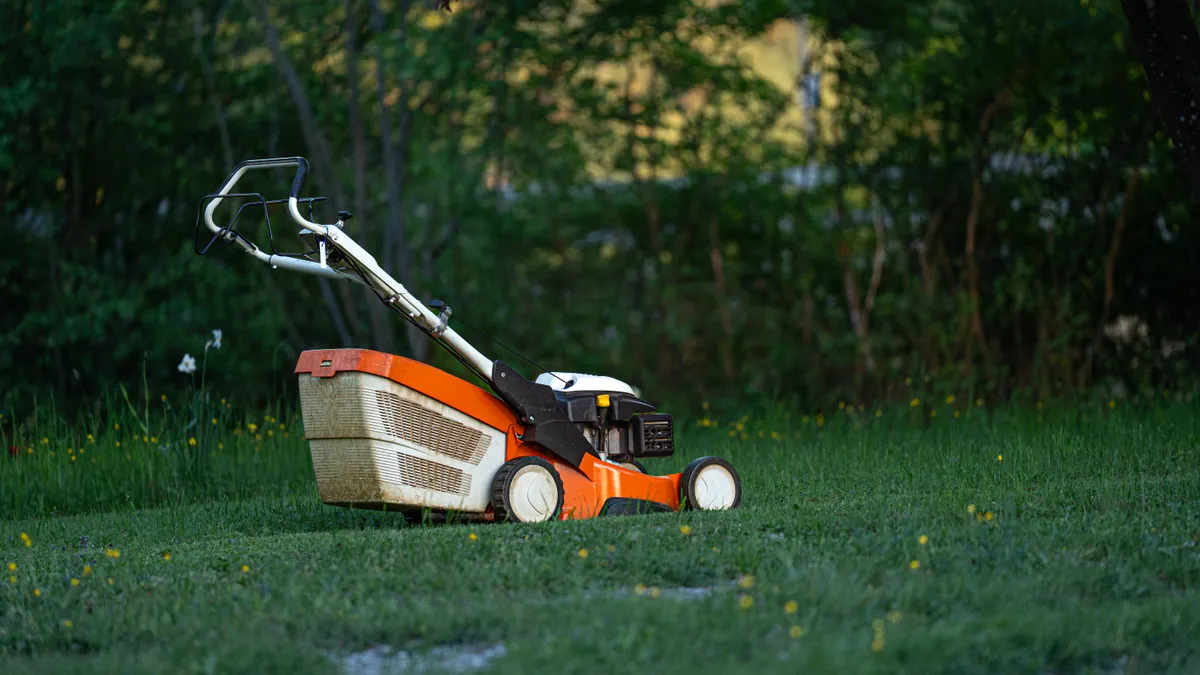
Budget lawn care services are usually a recurring maintenance plan, not a full property makeover. That means the value lives in small, regular tasks such as mowing, edging, light fertilizing, and seasonal cleanup, not in planting beds, hardscape work, or major repairs. If a quote sounds cheap but leaves those basics vague, the price can rise fast once the first visit starts.
The first question to ask is simple: “What is included on a normal visit?” A clear answer should name the mowing height, edging along driveways and sidewalks, clipping cleanup, and any fertilizing schedule that belongs to the plan. If the company says “standard service” but cannot define it in plain language, the plan is probably designed to be adjusted by add-ons later.
A second question is about the property size and the route the crew uses. Some lawn care companies price by lot size, some by front-yard and back-yard square footage, and some by visit length. A budget plan that works on a 4,000-square-foot lot can feel overpriced on a narrow city yard if the company uses a minimum service charge. The reverse happens too: a larger corner lot may look affordable until edging and cleanup are billed separately.
This is the point where the phrase “cheap lawn care” can mislead. A lower monthly number is not a bargain if the lawn still looks shaggy because the crew only mows every 14 days in peak growing season. For many homeowners, the better question is not “What is the lowest price?” but “What keeps the yard neat at the fewest visits?”
Ask about service frequency before you compare price
Service frequency matters as much as the monthly rate because a mower every 7 days and a mower every 14 days are not the same service. Fast-growing grass in spring can turn a low-frequency plan into a rough-looking yard, while a slower-growing lawn in hotter weather may not need weekly cuts. If the company will not say how it changes schedules by season, it is hard to judge the real cost.
Ask these questions before booking:
-
How many visits are included each month?
A useful answer names a number, such as 2, 3, or 4 visits, instead of “as needed.” -
Do you change frequency in spring and fall?
You want to know whether the plan shifts from weekly to biweekly, or the other way around, as growth changes. -
What happens if rain delays a visit?
Good companies have a policy for wet grass, missed cuts, and rescheduling without charging a surprise trip fee. -
Can I pause service during the slow season?
This matters for budget control if the lawn barely grows for 6 to 8 weeks.
A cheap plan with the wrong frequency often costs more in the end because the lawn looks overgrown, and homeowners end up paying for an extra one-time cut. It can also cost you in appearance: one missed week in peak growth can turn a tidy lawn into a rushed cleanup.
The best budget fit is often the one that matches the grass growth pattern on your property, not the cheapest posted price. If the company offers only one schedule, ask whether it is designed for cool-season turf, warm-season turf, or both. You do not need to know the botanical details to ask that question. You do need the company to explain why 7-day service or 10-day service makes sense for your yard.
What should a budget lawn care quote include?

A usable quote should separate recurring work from one-time work and name every charge that might appear after the first visit. The quote should say whether mowing, edging, and basic yard cleanup are included, and whether fertilizing is part of the plan or billed as a seasonal add-on. If the quote only lists a low monthly total, ask for the service line items in writing.
The most common line items to check are:
- mowing of all turf areas
- edging along hard surfaces
- blowing or sweeping clippings off walks and drives
- fertilizing frequency, if offered
- seasonal cleanup for leaves and debris
- travel or “trip” charges
- minimum visit charges
- extra fees for tall grass or heavy overgrowth
One useful way to compare lawn care services is to ask for the exact trigger for a surcharge. For example, does the company count grass above a certain height as an overgrowth job? Does it add a fee if the lawn has not been cut in 3 weeks? Does yard cleanup include leaf removal only, or also sticks and fallen branches? Those details matter more than a glossy brochure.
If the company says fertilizing is included, ask what type and how often. A budget plan may use a simple seasonal program rather than a custom soil-based schedule. That is fine for many homeowners who want the yard to stay presentable, but it is not the same as a tailored turf program. If the lawn is already thin, patchy, or full of weeds, a bare-bones plan may keep it tidy without making it healthier.
If the yard is weak or thin, ask whether the plan includes only a basic treatment or a fuller maintenance schedule, and consider checking with a local lawn professional or an extension source before you assume a low-cost plan will improve turf health. For broader guidance on lawn care basics, see the University of Maryland Extension lawn care resources and USDA lawn and turf information.
This is where a lot of homeowners get burned: the quote looks low because it covers mowing only, then edging, cleanup, and fertilizer each become separate charges. A $30-looking service can become a $60-looking habit once the extras are added. Ask for the total after one full month of routine service, not just the headline number.
How do I compare lawn care quotes without getting tricked?
You compare lawn care quotes by matching the same work, the same frequency, and the same property conditions line by line. A true comparison only works when each lawn care company is pricing the same size yard, the same number of visits, and the same tasks. Otherwise you are comparing different services with different limits.
Use this order:
- Write down your lawn basics first. Note the lot size, whether the yard is flat or sloped, and whether you need front-only or full-property service. A quote for a 1/8-acre city lot is not interchangeable with one for a larger corner property. See the budget home services guide for a broader comparison method.
- Ask for the visit cadence in writing. Get the number of visits per month, such as 2, 3, or 4, and ask whether that changes between April and October. This turns a vague “weekly service” pitch into something measurable. The home services overview can help you compare service types.
- Separate the core tasks from add-ons. Mark which quote includes mowing, edging, fertilizing, and seasonal cleanup. If one estimate includes edging and another does not, the lower number may be an illusion.
- Check the surcharge list. Ask about tall grass, gate access, leaf volume, steep slopes, and missed-visit fees. A budget plan should be predictable, not a small print trap.
- Compare the total for 30 days, not the first visit. One-off yard cleanup can make the first invoice look inflated, while recurring mowing and edging define the real monthly cost.
- Choose the plan that keeps the lawn acceptable with the fewest surprises. The cheapest quote is not always the best value if the crew bills extra for every ordinary part of the job.
A practical comparison also means judging what you do not need. If your main goal is to keep the lawn presentable, you may not need premium fertilizing every month or a heavy cleanup package twice a season. A budget plan should focus on the visible basics: a cut lawn, clean edges, and the occasional seasonal cleanup that keeps the property from slipping.
The most honest quote is not always the lowest. It is the one that tells you what happens if the grass grows fast, if leaves pile up, or if the first cut is rough.
Which services are worth paying for on a budget?
The most budget-friendly lawn care plans usually prioritize mowing and edging, then add yard cleanup only when needed. That combination keeps the property tidy without paying for extras that do not change the curb view much from week to week. For many homeowners, that is the right trade-off.
Mowing is the base service because it controls the most visible part of the yard. If the grass is kept at a regular height, the whole property looks more maintained. Edging matters next because a sharp line along sidewalks, driveways, and curbs does more for appearance than most people expect. A mow without edging can still look unfinished.
Fertilizing is the one service to question carefully on a tight budget. A simple fertilizing schedule can support lawn health, but it does not always belong in a bare-minimum plan if the immediate goal is appearance. If the lawn is already established and only needs to stay neat, fertilizing may be a good seasonal add-on rather than a monthly default. If the yard is weak or thin, ask whether the plan includes only a basic treatment or a fuller maintenance schedule.
Seasonal cleanup is worth paying for when leaves, sticks, and dead growth start to affect mowing quality. If a lawn care company offers cleanup every month, that may be more than you need. If it only offers cleanup once or twice a year, ask whether you can add a single visit in fall or spring instead of locking into a higher monthly rate.
This is also where budget services can fall short. They may keep a yard acceptable, but not polished. If you want detailed bed care, plant shaping, or a property-wide redesign, this is not the right service tier. That work belongs to landscaping services, not a low-cost mowing plan. For help sorting service categories, see the landscaping services guide.
Red flags that usually cost more later
The biggest red flag is vague pricing, because vague pricing is where the surprises live. If a lawn care company refuses to say what a normal 30-day bill looks like, the quote is incomplete. Another warning sign is a service list that says “all necessary maintenance” without naming mowing, edging, or cleanup. That kind of wording is broad enough to hide a lot of extra billing.
Be careful with these signs:
- no written description of mowing height or visit frequency
- “starting at” pricing with no explanation of common add-ons
- a quote that excludes edging but does not say so plainly
- no policy for rain delays or missed appointments
- a required long-term contract for a very small yard
- a first cut that is much cheaper than every later cut
A long contract can be a bad fit if you are only trying to keep the yard presentable on a budget. Some homeowners do fine with month-to-month service and a 7- or 14-day schedule during the growing season. If the company pushes a 12-month contract before explaining how service changes in winter, ask why. A rigid plan can make sense for a large property, but it often works against a homeowner who wants flexibility.
I also would not choose a service that treats mowing as the only real task and makes edging or cleanup feel optional without explanation; a better choice is one that clearly explains how those tasks are handled. That is how a lawn stays cut but still looks neglected around the edges and drive. A budget plan should still finish the job cleanly.
For broader help finding affordable home services, the hub on low-cost home services and local contractors is the right place to start, then narrow your search to lawn care once you know what the yard actually needs.
What a smart first call should sound like
A smart first call should sound specific, short, and a little blunt. You are not buying a brand; you are buying a routine. If the company handles budget lawn care services well, it should be able to answer the same 5 questions every time without drifting into sales language.
Use this script:
- “Do you offer recurring mowing service for my lot size?”
- “Is edging included every visit?”
- “How often do you come in spring and fall?”
- “What does yard cleanup include?”
- “What extra charges should I expect on a normal month?”
The point is to get the real service map before anyone books the first visit. If the answers are clear, you can compare plans fairly. If the answers are slippery, the quote is probably not built for a homeowner who wants predictable costs.
A good budget plan should do three things: keep the lawn cut on schedule, leave the edges clean, and avoid surprise add-ons. If it cannot do those three, it is not really budget-friendly. It is just cheap on paper.
What is usually included in lawn care?
A basic lawn care plan usually includes mowing, edging, and clipping cleanup, with seasonal cleanup or fertilizing sometimes sold separately. The exact mix depends on the company and the property. A written quote should name each task so you can see whether the plan covers routine maintenance or only the cut itself.
How often should lawn care be scheduled?
For most presentable-home goals, lawn care is scheduled weekly or every other week during the growing season. The right interval depends on how fast the grass grows, the weather, and whether the company adjusts service in spring and fall. If the schedule is too sparse, the yard can look overgrown between visits.
How do I compare lawn care quotes?
Compare lawn care quotes by matching the same lot size, service frequency, and included tasks line by line. Ask whether mowing, edging, fertilizing, and seasonal cleanup are included, then check the surcharge list for tall grass, leaves, rain delays, and travel fees. The lowest headline price is not always the lowest total cost.
Drafted with AI; not yet reviewed by a person.
Leave a Reply